A slow sink or a shower that leaves you standing in water is a daily annoyance, and the instinct is to grab a bottle of chemical drain opener. But caustic drain cleaners can be harsh on older pipes, dangerous if they splash, and a hazard if you end up needing to plunge or snake the drain afterward with chemicals sitting in it.
Most household clogs can be cleared with simple mechanical tools that cost little and last for years. This guide covers the methods, in the order you should try them.
Know Your Clog
The location tells you a lot about the cause:
- Bathroom sinks: Hair, soap scum and toothpaste, usually collecting at the stopper or in the P-trap.
- Showers and tubs: Hair and soap, often right below the drain cover.
- Kitchen sinks: Grease, food scraps and coffee grounds, sometimes deeper in the line.
- Multiple fixtures at once: If several drains are slow, or a toilet gurgles when the sink drains, the problem may be in the main line or vent. That’s usually a job for a plumber.
Method 1: Clean the Stopper and Drain Cover
Start with the easy step. In a bathroom sink, the pop-up stopper often collects a mat of hair.
- Look under the sink at the back of the drainpipe for a horizontal rod held by a nut.
- Unscrew the nut and pull the rod out a bit; the stopper will lift free from above.
- Clean the hair and gunk off the stopper, then reassemble.
For shower drains, unscrew or pry off the drain cover and pull out what you can reach with gloved fingers or needle-nose pliers.
Method 2: Use a Plastic Drain-Cleaning Strip
These cheap barbed plastic strips (sold under names like Zip-It) are made for hair clogs. Push the strip down the drain, wiggle it, and pull it out slowly. It’s unpleasant, but it’s often the fastest fix for a bathroom sink or shower.
Method 3: Plunge It Properly
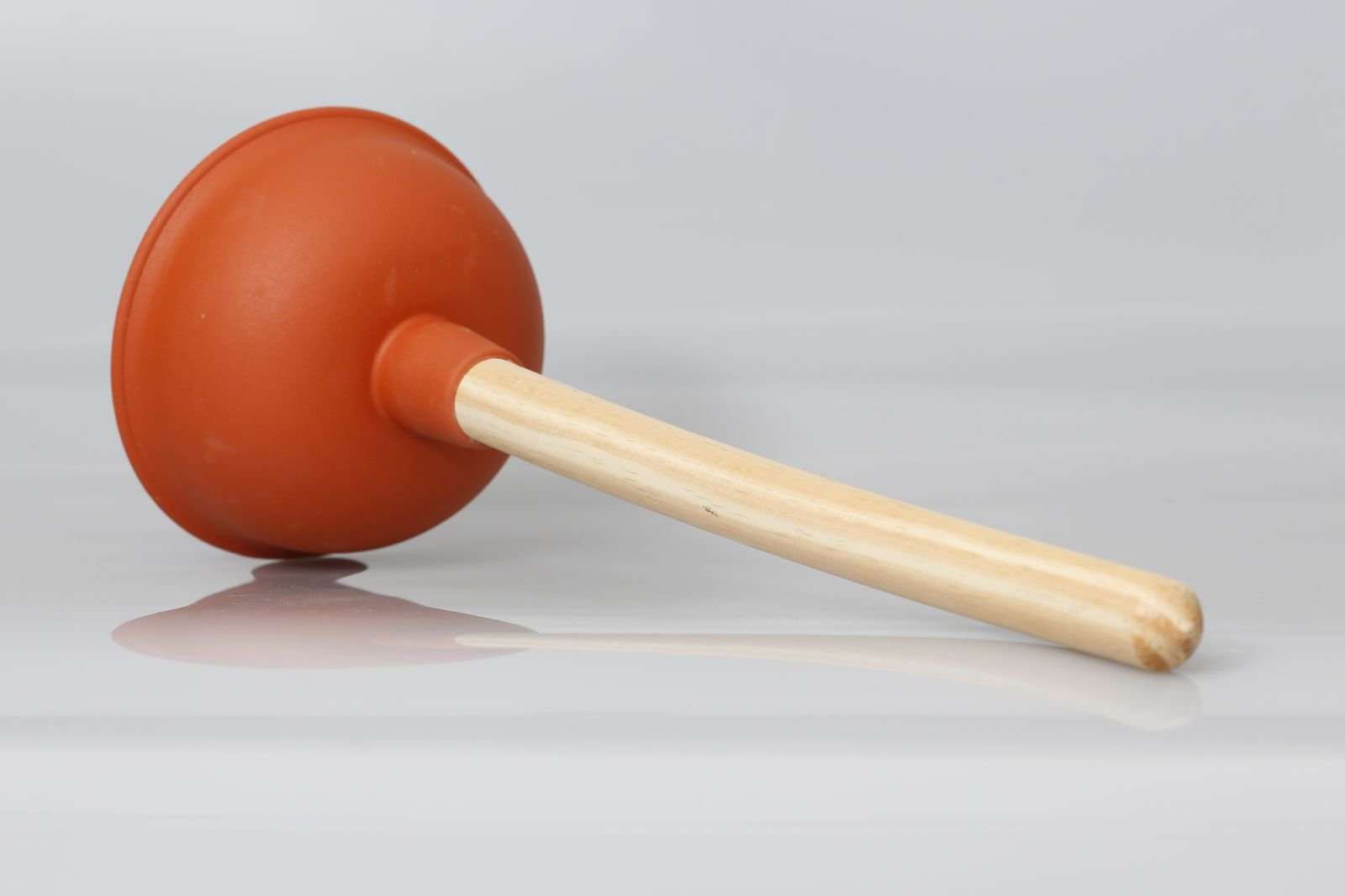
Use a cup plunger (flat bottom) for sinks and tubs. Save the flange plunger for toilets.
- Remove the stopper.
- Block the overflow opening with a wet rag. In a double kitchen sink, plug the other drain. Otherwise you’re just pushing air out the other opening.
- Make sure there’s enough water to cover the plunger cup.
- Position the plunger to form a seal, and plunge with firm, quick strokes for 15 to 20 seconds.
- Pull up sharply and check whether the water drains.
Repeat a few times before moving on.
Method 4: Try Hot Water (Carefully)
For kitchen sinks with mild grease buildup, a kettle of hot (not boiling) water poured slowly can help soften grease. Avoid pouring boiling water into PVC pipes or porcelain sinks repeatedly, and never do it after chemical cleaners have been used.
The popular baking soda and vinegar trick produces satisfying fizzing, but it’s a mild approach. It may help with light buildup or odors; it rarely clears a real hair or grease clog on its own.
Method 5: Clean the P-Trap
The U-shaped pipe under the sink traps water to block sewer gas, and it also traps debris.
- Put a bucket under the trap and lay down a towel.
- Loosen the slip nuts on both ends by hand or with tongue-and-groove pliers.
- Remove the trap, dump it, and clean it out with a brush.
- Check the pipe going into the wall for buildup you can reach.
- Reinstall, hand-tighten the nuts plus a small turn, and run water to check for leaks.
This step solves a lot of kitchen and bathroom sink clogs.
Method 6: Use a Drain Snake (Auger)
If the clog is past the trap, use a hand-crank drain snake. A 15- to 25-foot snake is fine for most sink and tub drains.
- With the trap removed (often easier), feed the cable into the drain pipe in the wall.
- When you feel resistance, tighten the lock and crank the handle to bore into or grab the clog.
- Push and pull gently, then withdraw the cable and clean it.
- Reassemble and flush with plenty of hot tap water.
Drill-powered augers are also available for larger jobs. Wear gloves and eye protection, and don’t force the cable, which can kink.
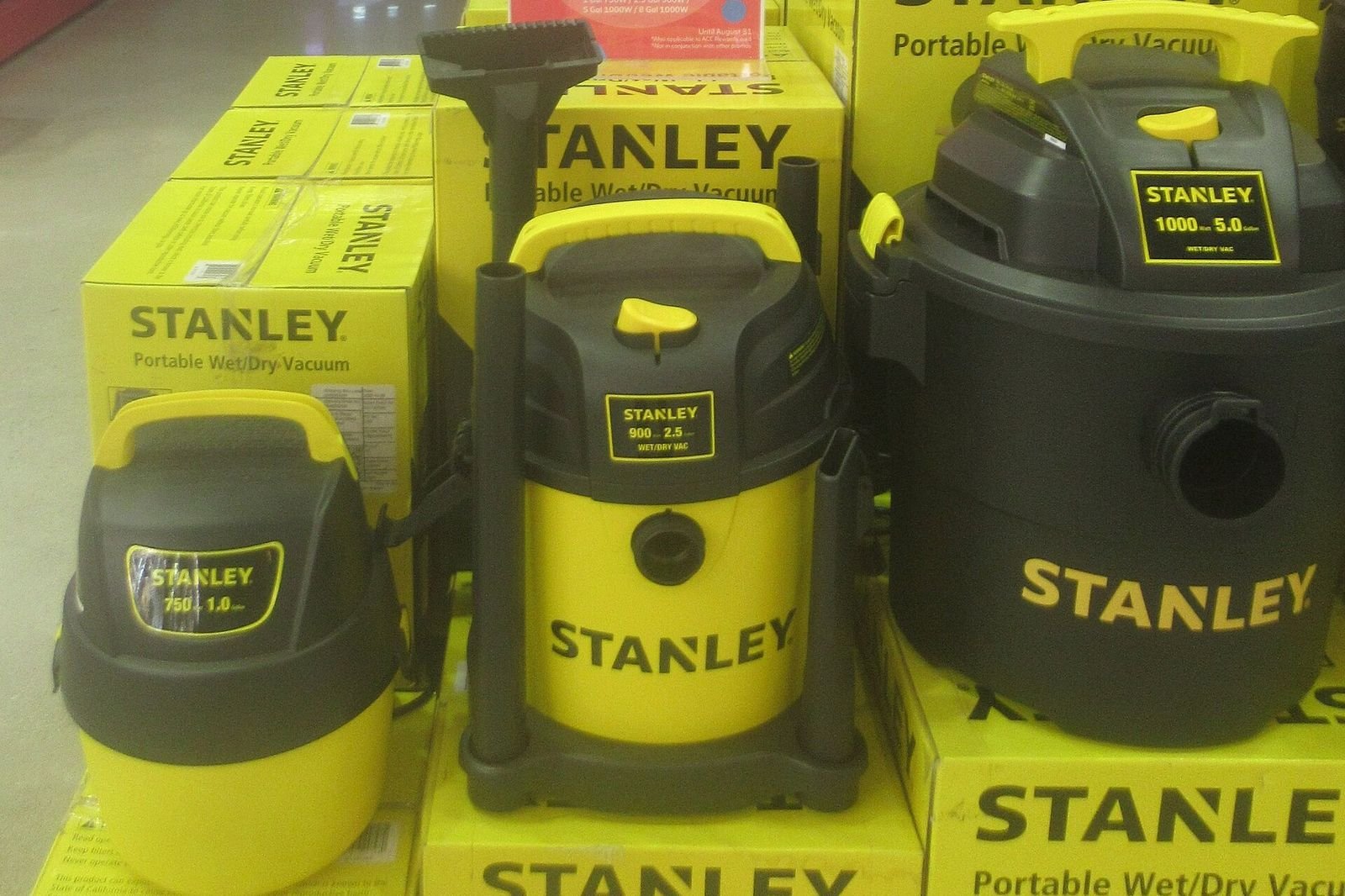
Method 7: Wet/Dry Vacuum
A shop vacuum set to liquid mode can sometimes pull a clog back out of a drain, especially in a tub or shower. Make a tight seal around the drain and block the overflow.
Enzyme Cleaners for Maintenance
Enzyme- or bacteria-based drain cleaners digest organic material slowly over time. They aren’t instant clog busters, but used regularly according to the label, they can help keep drains clear and reduce odors. They’re generally gentler on pipes and septic systems than caustic products.
Prevention: Keep Drains Clear
- Use hair catchers on shower and tub drains.
- Wipe greasy pans with a paper towel before washing; never pour cooking grease down the sink.
- Keep coffee grounds, eggshells, pasta, rice and fibrous scraps out of the disposal and sink.
- Run plenty of water when using a garbage disposal.
- Clean bathroom sink stoppers every few months.
When to Call a Plumber
- Several drains are slow at the same time
- Sewage odors or water backing up into a tub or floor drain
- Gurgling toilets when other fixtures drain
- A clog that returns quickly after you’ve cleared it
- Old or fragile pipes you’re not comfortable disassembling
These can point to main-line clogs, tree roots or venting problems that need professional equipment like camera inspections.
A Quick Troubleshooting Order
When a drain is slow, run through this order before calling for help:
- Remove and clean the stopper or drain cover.
- Use a plastic drain strip for hair.
- Plunge with the overflow blocked.
- Remove and clean the P-trap.
- Snake the line beyond the trap.
- Call a plumber if the clog persists or several drains are affected.
Working in this order solves most clogs with the least mess.
Frequently Asked Questions
Are chemical drain cleaners bad for pipes?
Caustic products can be harsh, especially on older metal pipes, and they’re dangerous if they splash back. Many plumbers suggest mechanical methods first. If you’ve already used a chemical cleaner, tell the plumber and avoid plunging, which can splash it.
What’s the best tool for a hair clog?
A plastic drain-cleaning strip or a small hand auger. Removing the stopper or drain cover first often makes the clog easy to reach.
Why does my drain smell even when it isn’t clogged?
Buildup on the stopper or in the trap, a dried-out trap in a rarely used drain, or a disposal with food residue. Clean the stopper and trap, and run water in unused drains to refill the trap.
Can I use a plunger on a garbage disposal sink?
Yes, but plug the other side of a double sink. If the disposal itself is jammed, use the hex key on its underside after turning off its power.
The Bottom Line
Start simple: clean the stopper, use a drain strip, plunge correctly, and clean the P-trap. A hand auger handles most of what’s left. Add hair catchers and better kitchen habits, and you’ll rarely need a chemical cleaner again.
Editorial note: Fix It Folio is independent and reader-supported. This guide is based on research into manufacturer documentation, published specifications and widely accepted best practices; we have not been paid to mention any product. If we add affiliate links in the future, they will be clearly disclosed per our Affiliate Disclosure.